

There’s something comforting about a baked dinner. You prep everything, slide it into the oven, and let the heat do the work while your kitchen fills with cozy aromas. But we’ve all had baked meals that came out dry, uneven, or bland. The good news? Perfect baked dinners are absolutely doable with a few smart techniques and simple habits.
[Image Prompt] A bright, cozy kitchen scene with a ceramic baking dish filled with a golden baked dinner, steam gently rising, fresh herbs scattered nearby on a wooden counter.
Below, you’ll find practical, no-fuss tips to help your baked dinner recipes turn out flavorful, tender, and reliable every time.
Start With the Right Baking Dish
The dish you use matters more than most people realize. Different materials heat differently, and that affects how your dinner cooks.
Common options and when to use them:
- Glass dishes: Great for casseroles and veggie bakes. They heat evenly and let you see browning.
- Ceramic dishes: Hold heat well and keep food warm at the table.
- Metal pans: Best for crisp edges and roasted-style baked dinners.
Avoid overcrowding the dish. Ingredients should sit in a single, even layer whenever possible. This allows heat to circulate and prevents steaming.
[Image Prompt] A top-down view of neatly arranged vegetables and protein spaced evenly in a rectangular ceramic baking dish before going into the oven.
Prep Ingredients for Even Cooking
Uneven cuts lead to uneven results. One of the easiest ways to upgrade baked dinners is consistent prep.
Simple prep rules:
- Cut vegetables into similar sizes.
- Thicker items go toward the edges of the dish.
- Softer ingredients stay closer to the center.
If your recipe includes both hearty vegetables and quicker-cooking ones, add them in stages. This keeps everything tender instead of mushy or undercooked.
Season in Layers, Not All at Once
A common mistake is adding seasoning only at the end. Baked dinners benefit from flavor at every stage.
Try this approach:
- Lightly season raw ingredients before baking.
- Add herbs or spices halfway through if the recipe allows.
- Finish with a final sprinkle of seasoning or fresh elements after baking.
This layering builds depth and keeps flavors from fading during oven time.

Master Oven Temperature and Timing
Your oven is powerful, but it needs guidance. Baking at the wrong temperature can dry out food or leave it underdone.
Helpful baking guidelines:
- Use 350°F (175°C) for casseroles and creamy bakes.
- Use 400°F (205°C) for roasted-style baked dinners.
- Always preheat the oven fully before baking.
Avoid opening the oven door too often. Each peek drops the temperature and disrupts cooking. Instead, rely on timers and visual cues near the end.
Cover, Then Uncover for Best Texture
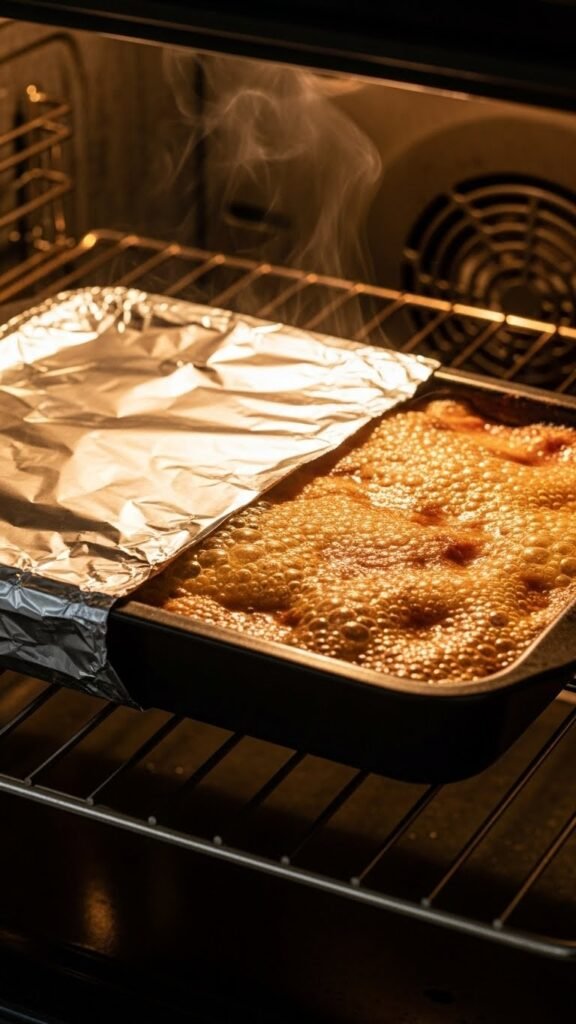
Many baked dinners need both moisture and browning. The solution? Cover early, uncover later.
- Cover with foil during the first half to trap moisture.
- Remove the cover for the final 10–20 minutes to allow browning.
This technique works especially well for layered dishes and vegetable-heavy bakes.
Let the Dish Rest Before Serving
It’s tempting to dig in right away, but resting is a game-changer. Letting a baked dinner sit for 5–10 minutes helps flavors settle and textures firm up.
Why resting helps:
- Sauces thicken naturally.
- Portions hold together better.
- Heat distributes evenly.
This small pause can make your dinner look and taste more polished.
Add Simple Finishing Touches
You don’t need fancy extras to make baked dinners feel special. A few finishing touches go a long way.
Easy ideas:
- Fresh herbs scattered on top
- A squeeze of citrus for brightness
- A light drizzle of olive oil
These add contrast and make the dish feel fresh instead of heavy.
[Image Prompt] A finished baked dinner resting on a table, topped with fresh herbs and served in a rustic dish, natural daylight, cozy home-style presentation.
Build Confidence With Go-To Baked Meals
The more often you bake dinners, the easier it becomes to adjust and experiment. Start with simple combinations you trust, then tweak flavors over time.
Beginner-friendly baked dinner ideas:
- Vegetable and grain casseroles
- Sheet-pan baked meals
- Creamy pasta-style bakes using oven-safe dishes
Keep notes on what works. Small adjustments add up quickly.
Final Takeaway
Perfect baked dinners aren’t about complicated recipes. They’re about smart prep, steady temperatures, and a little patience. Once you understand how your oven and ingredients work together, baked meals become one of the easiest and most rewarding ways to cook.
Save this guide for later and turn your next baked dinner into a reliable favorite everyone looks forward to

Leave a Reply