

Italian food has a way of feeling both comforting and impressive at the same time. One bite of perfectly cooked pasta or a silky tomato sauce, and suddenly you’re transported to a cozy kitchen somewhere in Italy. The good news? You don’t need a culinary degree—or a nonna—to cook Italian dinner recipes like a pro. You just need the right mindset, a few smart techniques, and quality ingredients.
[Image Prompt] A cozy Italian-style kitchen scene with fresh pasta on a wooden board, ripe tomatoes, basil leaves, garlic cloves, and olive oil on a marble countertop, warm natural light.
Let’s break it down step by step so you can bring restaurant-worthy Italian dinners to your own table.
Think Like an Italian Cook
Italian cooking isn’t about complicated recipes or endless ingredients. It’s about simplicity and respect for what you’re cooking.
Keep these principles in mind:
- Less is more. A handful of great ingredients beats a long list of average ones.
- Season as you go. Taste throughout the cooking process.
- Let ingredients shine. Don’t drown flavors with heavy sauces or overpowering spices.
Once you shift your mindset, Italian recipes instantly feel more approachable—and more forgiving.
Start With the Right Ingredients
Before you even turn on the stove, set yourself up for success with quality staples. Italian food relies heavily on freshness.
Must-have basics:
- Extra-virgin olive oil
- Ripe tomatoes (fresh or canned, whole if possible)
- Garlic and onions
- Fresh herbs like basil, parsley, and oregano
- Good-quality pasta made from durum wheat
- Hard cheeses like Parmesan-style or pecorino-style
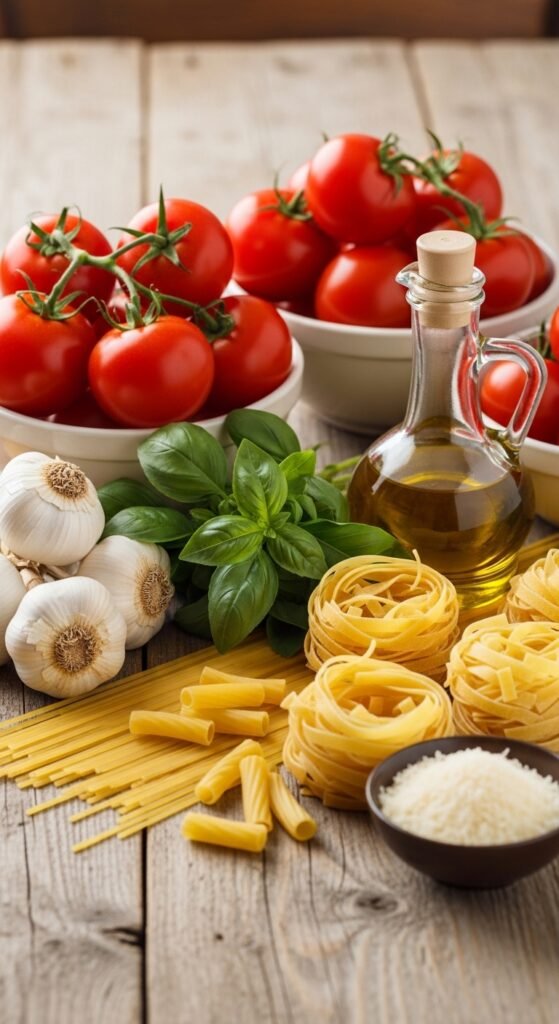
When ingredients taste good on their own, your final dish will too.
Master a Few Core Techniques
You don’t need dozens of skills—just a few foundational ones that show up again and again in Italian dinner recipes.
Cook Pasta Properly
- Use a large pot with plenty of salted water.
- Cook until al dente (tender with a slight bite).
- Reserve a cup of pasta water before draining—it’s liquid gold for sauces.
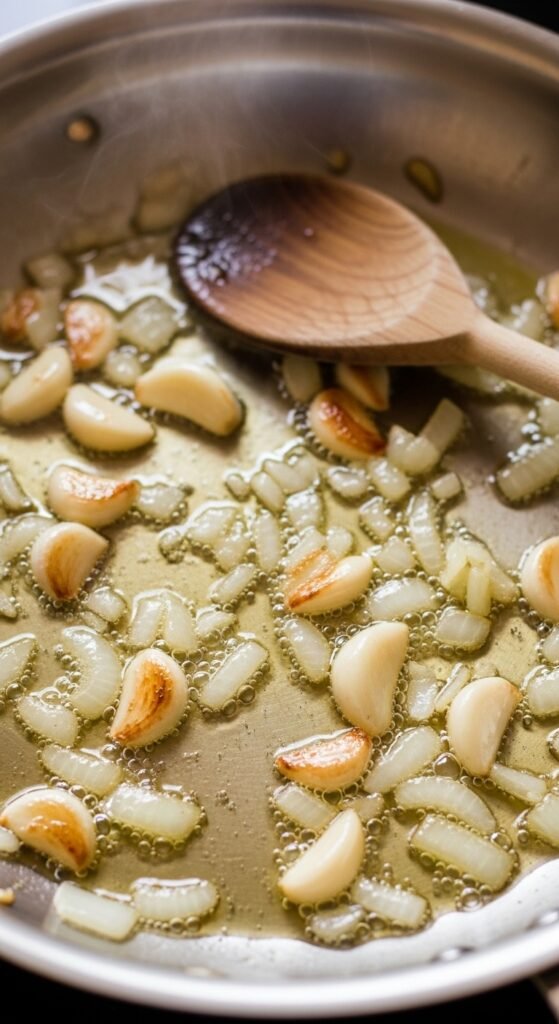
Build Flavor Slowly
Start many dishes by gently cooking garlic or onions in olive oil over medium heat. This creates a flavorful base without burning anything.
Finish in the Pan
Instead of pouring sauce over pasta, add the pasta directly to the sauce and toss. This helps everything meld together like it does in Italian kitchens.
Balance Your Italian Dinner Menu
A pro-level Italian dinner isn’t about one massive dish—it’s about balance.
A classic structure looks like this:
- Simple starter: Bruschetta, marinated vegetables, or a fresh salad
- Main dish: Pasta, risotto, or a hearty vegetable-based entrée
- Light finish: Fresh fruit, a small pastry, or coffee-style dessert
This keeps the meal satisfying without feeling heavy.
Elevate Sauces Without Overcomplicating
Italian sauces don’t need shortcuts or bottled mixes. A few tweaks make all the difference.
Pro tips:
- Use whole tomatoes and crush them by hand for better texture.
- Add a splash of pasta water to loosen and emulsify sauces.
- Finish with fresh herbs right before serving for brightness.
Patience is key here. Let sauces simmer gently so flavors develop naturally.
Plate Like a Pro
Presentation matters more than you think. Even simple Italian dinner recipes feel elevated when plated with intention.
Easy plating upgrades:
- Use wide, shallow bowls for pasta.
- Twirl noodles with tongs instead of dumping them.
- Finish with a drizzle of olive oil or a sprinkle of fresh herbs.
[Image Prompt] A beautifully plated bowl of pasta with tomato sauce, fresh basil on top, grated cheese, and a clean, minimal table setting.
You’ll be amazed how much more “restaurant-like” your meal feels.
Common Mistakes to Avoid
Even experienced home cooks slip up sometimes. Watch out for these:
- Overcooking pasta until it’s mushy
- Using too much sauce
- Skipping the tasting step
- Cooking everything on high heat
Slow down, trust the process, and remember that Italian cooking rewards patience.
Bring It All Together
Cooking Italian dinner recipes like a pro isn’t about perfection—it’s about confidence, simplicity, and joy. Focus on quality ingredients, master a few core techniques, and let flavors speak for themselves. The more you cook, the more natural it will feel.
Save this guide, try one tip at a time, and enjoy the process. Your next Italian dinner might just become a new favorite.

Leave a Reply