

There’s something magical about a pot of soup simmering on the stove—but let’s be honest, not every soup feels like dinner. Some leave you rummaging for snacks an hour later. The good news? With a few smart choices, soup can be hearty, satisfying, and absolutely worthy of the main-meal spotlight.
[Image Prompt] A cozy kitchen scene with a large pot of hearty vegetable and bean soup simmering on the stove, steam rising, wooden spoon resting on the edge.
This guide walks you through exactly how to build soups that eat like meals—no side dishes required (though crusty bread is always welcome).
Start With a Strong, Flavorful Base
A filling soup begins with a base that has depth. Think beyond plain broth and focus on layers.
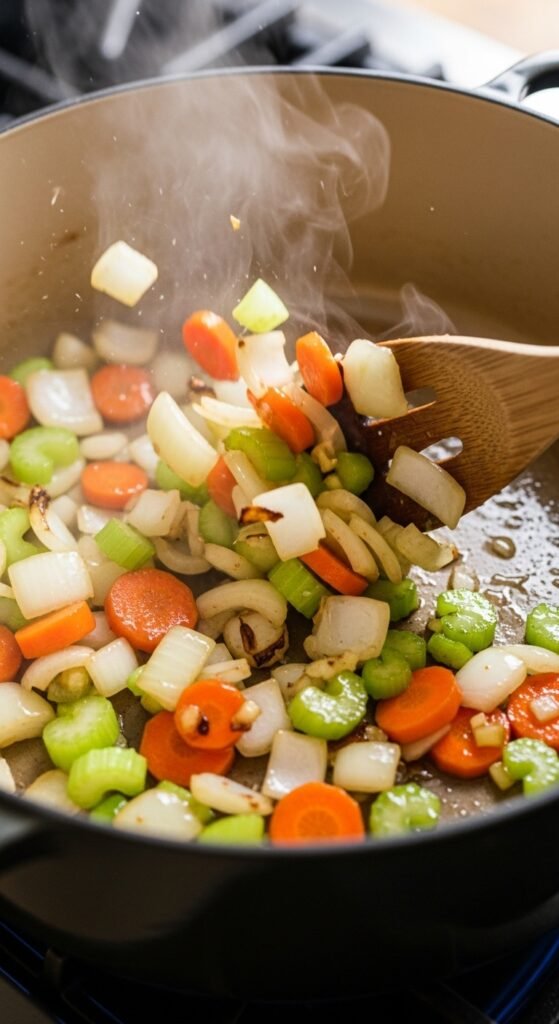
Start by sautéing aromatics:
- Onions, garlic, leeks, or shallots
- Carrots, celery, and bell peppers
- A splash of olive oil and a pinch of salt to draw out flavor
Let these soften and lightly brown before adding liquid. This step alone transforms a thin soup into something rich and savory.
Next, choose your liquid wisely:
- Vegetable or chicken broth for classic comfort
- Blended tomatoes for body and natural sweetness
- Coconut milk or cream for richness (especially in spiced soups)
Add Protein That Actually Satisfies
If soup is the main event, protein matters. It’s what keeps you full and turns a bowl into a meal.
Great soup-friendly protein options:
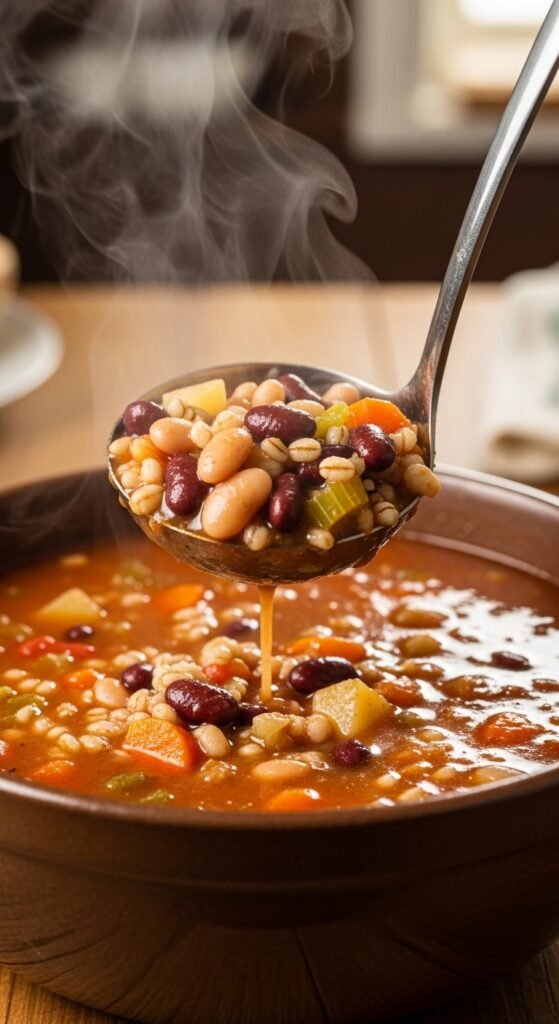
- Beans and lentils (hearty, budget-friendly, and filling)
- Shredded chicken or turkey
- Chickpeas or white beans for creamy texture
- Tofu cubes or tempeh for plant-based soups
Pro tip: Use more protein than you think you need. A “dinner soup” should be generously loaded, not just sprinkled.
For extra richness, mash a small portion of beans and stir them back in. This thickens the soup naturally and makes every spoonful more satisfying.
Bulk It Up With Grains and Starches
This is the secret weapon of meal-worthy soup. Grains and starchy vegetables add substance and turn broth into comfort food.
Try adding:
- Rice, farro, or barley
- Small pasta shapes
- Potatoes or sweet potatoes
- Quinoa for a lighter but filling option
Cook grains directly in the soup when possible. They absorb flavor and release starch, giving you a thicker, heartier texture.
Don’t Be Shy With Vegetables
Vegetables shouldn’t feel like an afterthought. They should crowd the pot.
Mix textures for the best results:
- Soft vegetables: zucchini, mushrooms, spinach
- Firm vegetables: carrots, green beans, cauliflower
- Roasted vegetables added at the end for depth
Roasting vegetables separately before adding them to soup brings caramelized flavor and prevents everything from tasting the same.
Aim for color, too. A vibrant soup feels more satisfying before you even take a bite.
Season Boldly and Finish Strong
Under-seasoned soup is the fastest way to make dinner feel disappointing. Taste as you go and adjust.
Flavor boosters that make a big difference:
- Herbs like thyme, rosemary, or bay leaf
- Spices such as cumin, paprika, or curry powder
- A squeeze of lemon or splash of vinegar at the end
That final hit of acidity wakes everything up and balances richness.
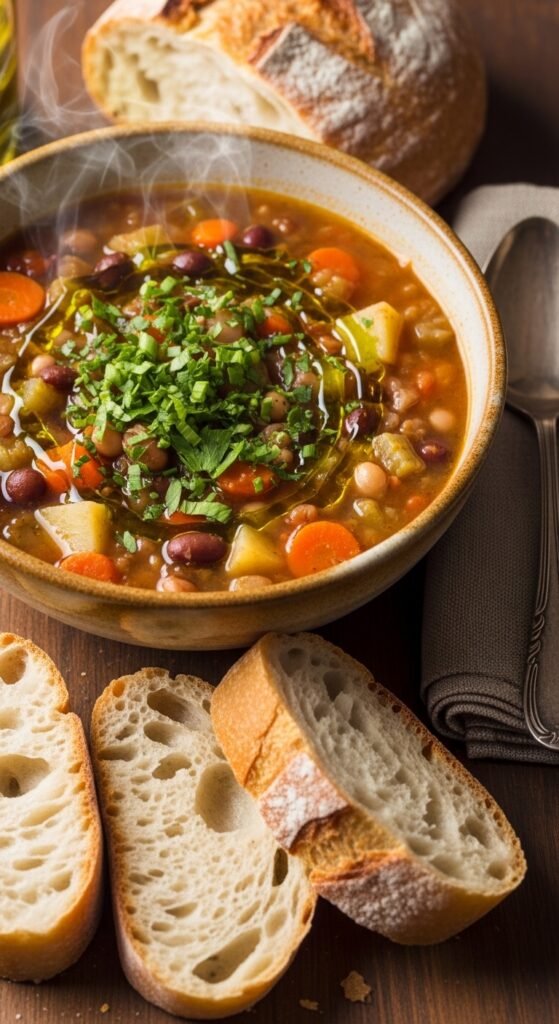
Finish with texture:
- A drizzle of olive oil
- A spoon of yogurt or cream
- Fresh herbs or toasted seeds
Think of Soup as a Formula, Not a Recipe
Once you understand the building blocks, you can make dinner soups from whatever’s in your kitchen.
The formula:
- Aromatics + fat
- Protein
- Vegetables
- Grain or starch
- Bold seasoning and a fresh finish
This approach keeps soup flexible, creative, and never boring.
The Big Takeaway
Soup doesn’t have to be a starter or a side. With the right balance of protein, vegetables, and starch—and confident seasoning—it becomes a cozy, satisfying dinner you’ll actually look forward to.
Save this for your next meal-planning day, and the next time you make soup, make it count.
Leave a Reply