

Fresh herbs are like magic in the kitchen — they can turn an ordinary meal into something extraordinary with just a sprinkle or two. From the citrusy burst of basil to the earthy depth of thyme, fresh herbs add aroma, color, and layers of flavor that dried ones simply can’t match.
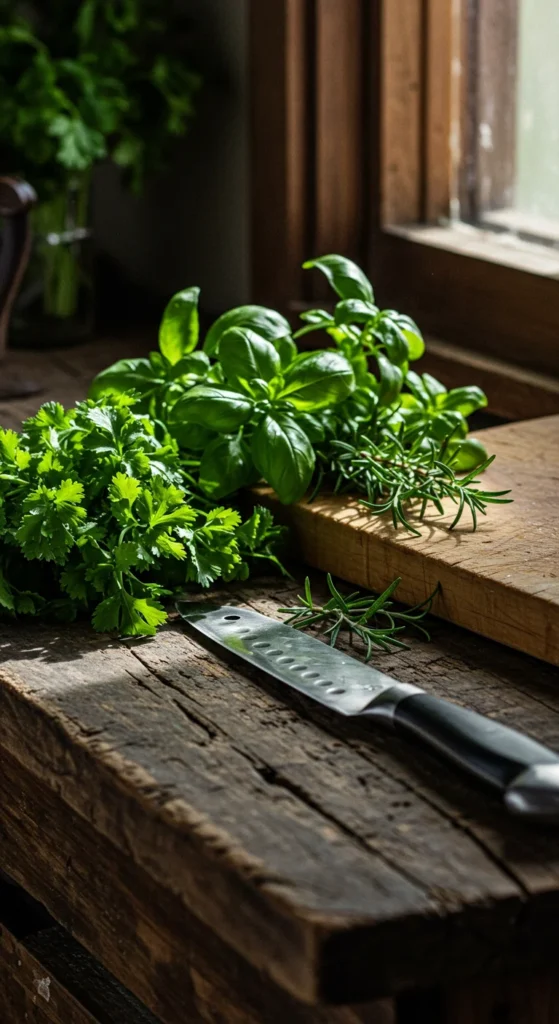
Let’s explore how to choose, use, and combine herbs to create dishes that taste as good as they look.
Why Fresh Herbs Make a Difference
The secret behind the vibrant flavor of fresh herbs lies in their essential oils — natural compounds that evaporate quickly when heated. That’s why fresh herbs have such a strong aroma when chopped or torn.
Here’s how fresh herbs elevate your food:
- Enhance freshness: They add a “garden-picked” brightness to salads, pasta, soups, and more.
- Add depth: Herbs like rosemary, thyme, and sage give slow-cooked meals a comforting richness.
- Boost presentation: Even a sprinkle of parsley can make your dish look more appetizing.

Choosing and Storing Fresh Herbs
To make the most of fresh herbs, start by picking the best ones and storing them properly.
Picking the freshest herbs:
- Look for vibrant color — no yellowing or wilting.
- Avoid herbs with slimy or damp leaves.
- Smell them! They should have a strong, pleasant aroma.
Storing tips:
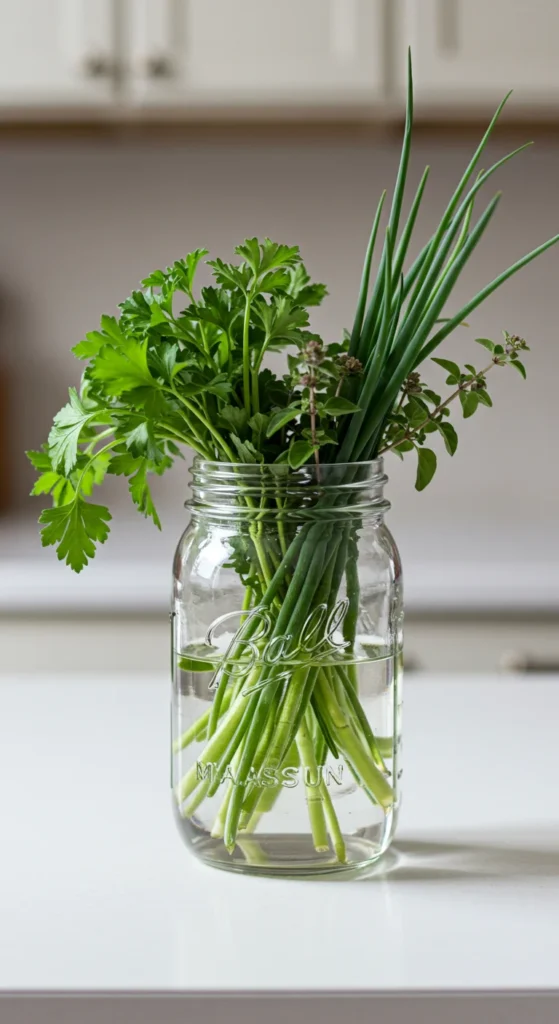
- Tender herbs (like cilantro, parsley, and basil): Trim the stems and store them in a glass of water like a bouquet. Cover loosely with a plastic bag and refrigerate (except basil, which prefers room temperature).
- Woody herbs (like rosemary, thyme, and oregano): Wrap them in a damp paper towel and store them in a resealable bag in the fridge.
How to Use Fresh Herbs While Cooking
Different herbs have different personalities — some are delicate and should be added at the end, while others can handle the heat.
Add tender herbs at the end:
Herbs like basil, parsley, cilantro, mint, and chives lose their flavor when cooked too long. Add them:
- After removing your dish from heat
- Just before serving
They’re perfect for salads, dips, or as a final garnish.
Add woody herbs early:
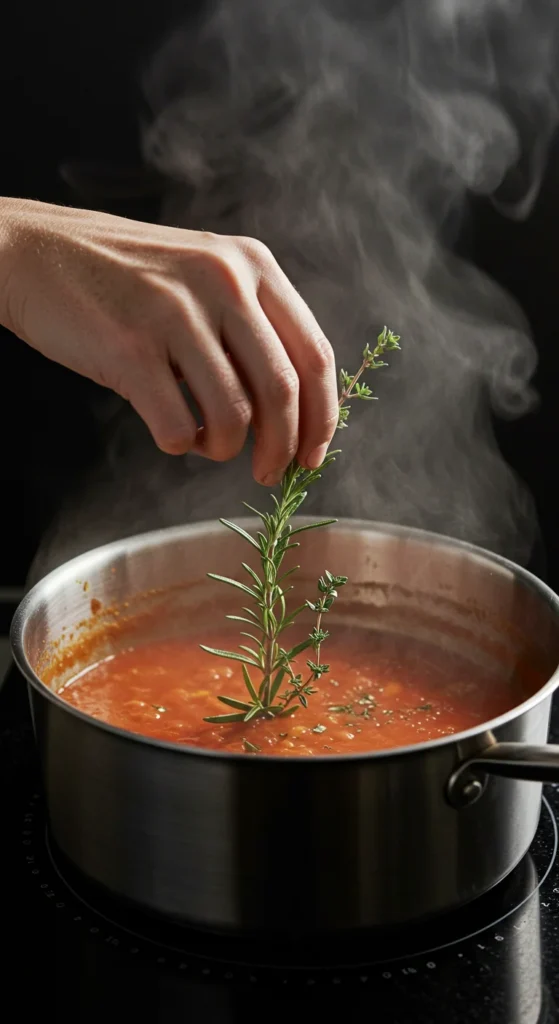
Herbs such as rosemary, thyme, oregano, and sage can simmer for longer without losing their essence. Add them:
- At the start of cooking
- During roasting, baking, or slow simmering
They infuse your dish with deep, complex notes as they cook.
Pairing Herbs with Different Foods
Knowing which herbs work best with what ingredients can transform your cooking.
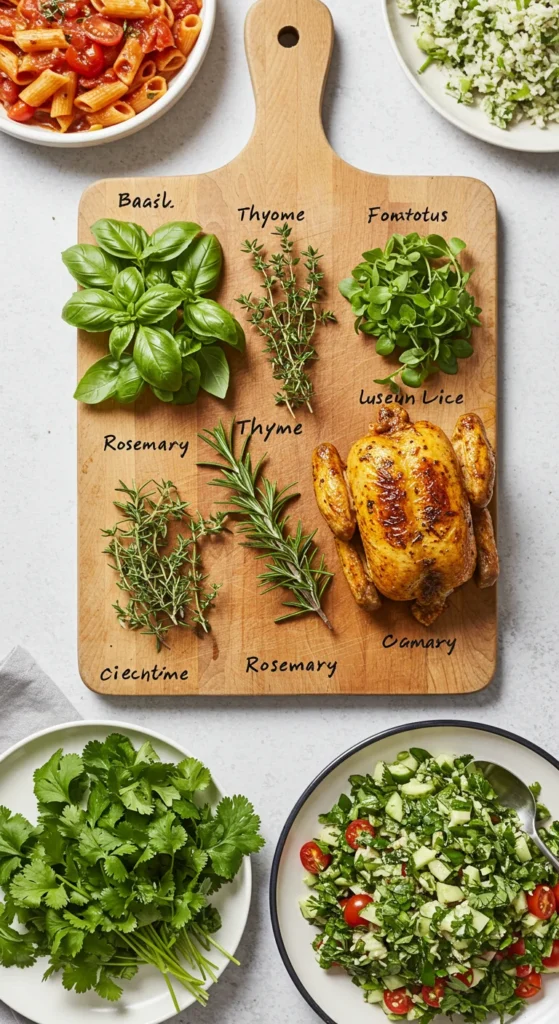
Here’s a quick guide:
- Basil: Great for tomato-based dishes, pasta, and fresh salads.
- Cilantro: Perfect for Mexican, Asian, and Middle Eastern cuisines.
- Rosemary: Ideal for roasted vegetables, chicken, and potatoes.
- Thyme: Complements soups, stews, and grilled dishes beautifully.
- Parsley: A universal herb that brightens almost any savory dish.
- Mint: Adds a refreshing twist to both sweet and savory meals.
Try experimenting! Combine basil and parsley for a fresh pasta sauce or rosemary and thyme for oven-roasted veggies.
Quick Tips for Cooking with Fresh Herbs
To get the most out of your herbs, remember these pro tips:
- Chop gently: Use a sharp knife and avoid crushing the leaves — bruised herbs can taste bitter.
- Balance flavors: Start small; you can always add more, but you can’t take it out.
- Mix textures: Combine fresh herbs with a drizzle of olive oil or sprinkle over crunchy toppings for contrast.
- Don’t waste stems: Some stems (like parsley or cilantro) are flavorful too! Finely chop and add to sauces or soups.
Creative Ways to Use Leftover Herbs
Don’t let your herbs go to waste! Here are a few creative uses:
- Herb butter: Mix chopped herbs with softened butter for a delicious spread.
- Infused oil: Add rosemary or thyme to olive oil and let it sit for a fragrant flavor booster.
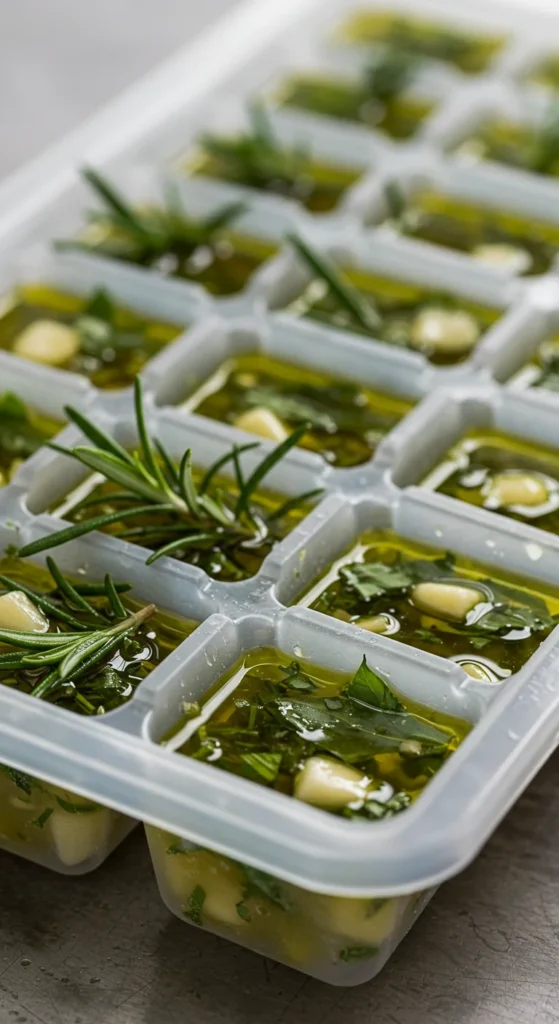
- Freezing: Chop herbs, place them in ice cube trays, cover with olive oil or water, and freeze — perfect for quick cooking later.
Final Thoughts
Cooking with fresh herbs is one of the easiest ways to make your meals taste gourmet. Once you start experimenting, you’ll find that a handful of basil or a pinch of thyme can change everything.
So next time you’re at the market, grab a bunch of fresh herbs and start creating dishes bursting with natural, bold flavor.
Save this guide for later — your future meals will thank you!

Leave a Reply