

There’s nothing more disappointing than spending time on a beef dinner only to end up with meat that’s tough or dry. The good news? Tender, juicy beef isn’t about fancy tricks—it’s about choosing the right cut, treating it well, and cooking it with intention. Once you understand a few simple principles, your weeknight dinners and special meals alike will turn out melt-in-your-mouth every time.
Start With the Right Cut of Beef
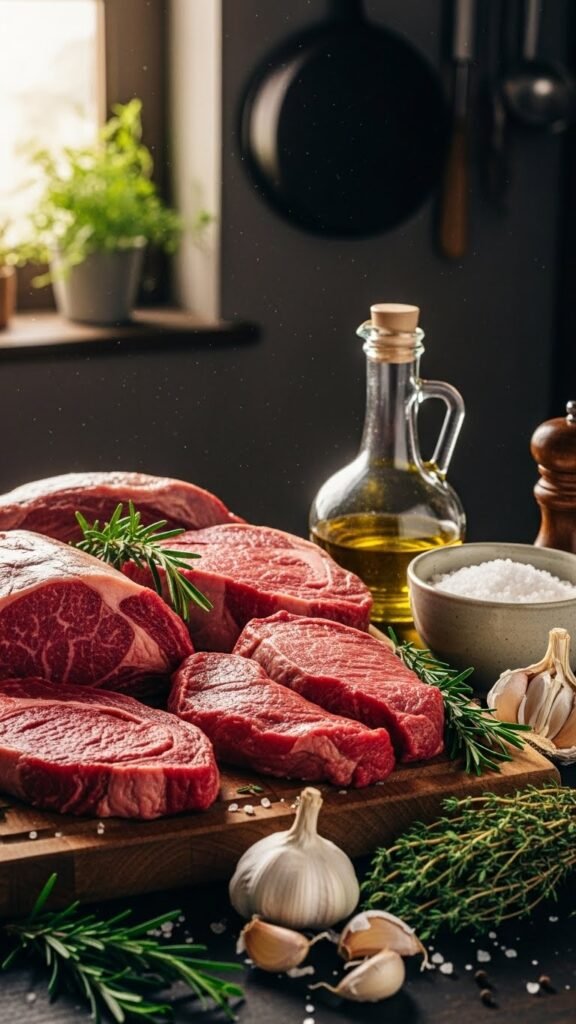
Tender beef begins at the store. Not all cuts are meant to cook the same way, and matching the cut to the method is one of the biggest secrets to success.
Naturally tender cuts work best for quick cooking:
- Sirloin
- Ribeye
- Tenderloin
- Flat iron
These cuts have less connective tissue, so they stay soft with high heat and short cooking times.
Tougher cuts become incredibly tender when cooked slowly:
- Chuck
- Brisket
- Short ribs
- Round
These cuts need time and moisture to break down and turn silky.
Quick tip: If a recipe calls for fast cooking, don’t substitute a slow-cook cut. And if you’re planning a long simmer, skip the premium steak and save it for another meal.
Prep Beef the Right Way Before Cooking
How you handle beef before it hits the heat matters more than most people realize.
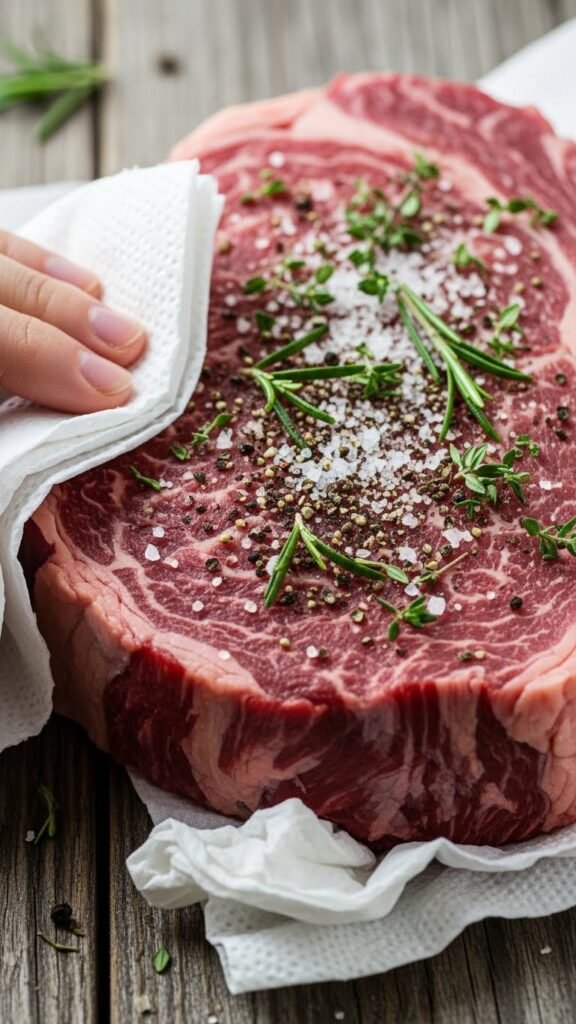
Simple prep steps that make a big difference:
- Bring beef to room temperature for 20–30 minutes before cooking. Cold meat tightens up and cooks unevenly.
- Pat it dry with a paper towel. Less surface moisture means better browning.
- Season early with salt to enhance flavor and help the meat retain moisture.
Easy tenderizing methods:
- Lightly pound thicker cuts with a meat mallet.
- Slice shallow crosshatches into tougher cuts.
- Use a simple marinade with acidic ingredients like citrus juice or yogurt to soften fibers.
Choose Cooking Methods That Protect Tenderness
Different cooking styles affect how beef fibers tighten or relax. Picking the right one keeps your dinner juicy.
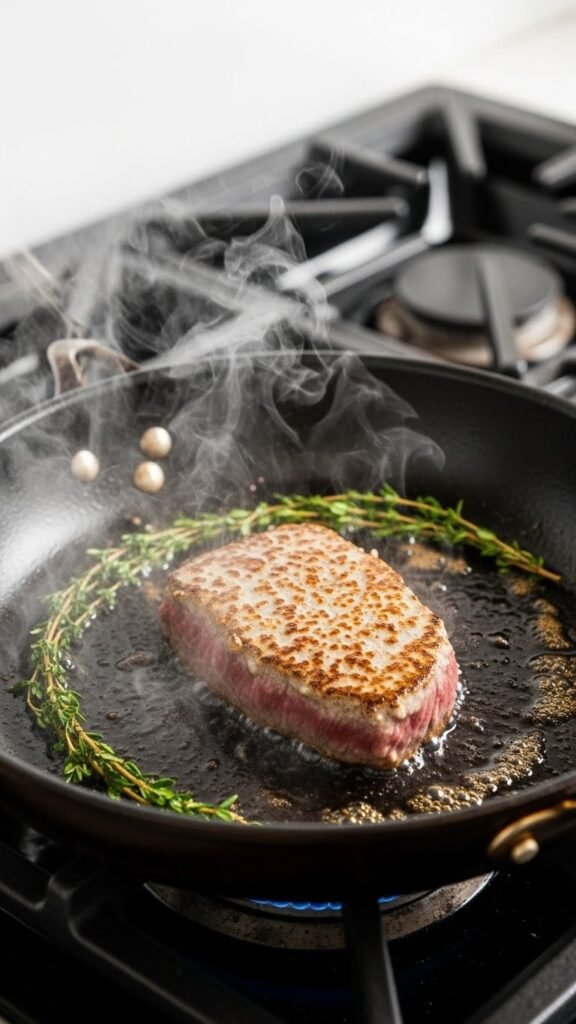
High-heat, fast methods (best for tender cuts):
- Pan-searing
- Grilling
- Broiling
Tips for success:
- Preheat your pan fully before adding beef.
- Avoid overcrowding the pan.
- Flip only once or twice to prevent moisture loss.
Low-and-slow methods (best for tougher cuts):
- Braising
- Slow simmering
- Oven roasting at low temperature
Why it works: Slow heat allows collagen to break down into gelatin, giving beef that fall-apart texture.
Control Temperature Like a Pro
Overcooking is the fastest way to ruin beef, even a great cut.
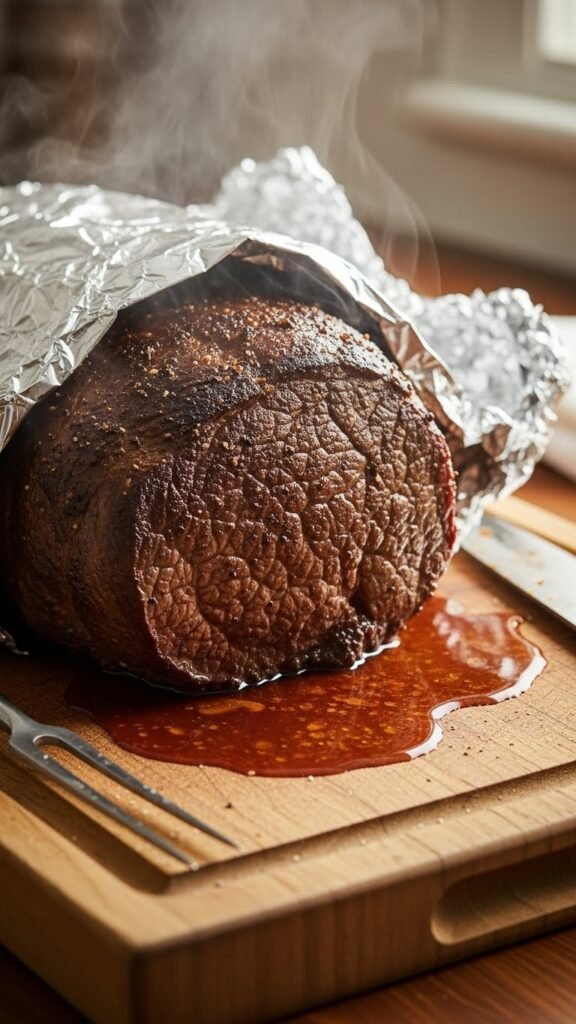
Internal temperature guidelines:
- Medium-rare: warm red center
- Medium: warm pink center
- Medium-well: slight pink
Using a meat thermometer removes guesswork and prevents dryness.
Don’t skip resting time
Let beef rest for 5–10 minutes after cooking. This allows juices to redistribute instead of spilling out when sliced.
Slice and Serve for Maximum Tenderness
Even perfectly cooked beef can feel chewy if sliced incorrectly.
Always slice against the grain
The “grain” is the direction the muscle fibers run. Cutting across them shortens each bite, making it feel softer.
Serving ideas that keep beef juicy:
- Pair with mashed vegetables or rice to soak up juices.
- Spoon pan drippings over sliced beef before serving.
- Serve immediately after resting for best texture.
Common Mistakes That Make Beef Tough
Avoid these pitfalls to keep your dinners consistently tender:
- Cooking straight from the fridge
- Using high heat on tough cuts
- Skipping rest time
- Cutting with the grain
- Overcooking “just to be safe”
Small changes here can transform your results overnight.
Final Takeaway
Tender beef dinners aren’t about complicated techniques—they’re about smart choices. Start with the right cut, prep it gently, match it to the correct cooking method, and give it time to rest. Once you master these basics, every beef dinner will feel special, comforting, and deeply satisfying.
Save this guide for later and come back to it whenever you want beef that’s juicy, flavorful, and perfectly tender every time.

Leave a Reply