

Dry, boring chicken dinners are a thing of the past. With the right techniques and a few simple habits, you can turn everyday chicken into a juicy, flavor-packed meal that everyone looks forward to. Whether you’re cooking for a busy weeknight or a cozy weekend dinner, this guide will walk you through exactly how to keep chicken tender, moist, and full of flavor—every single time.
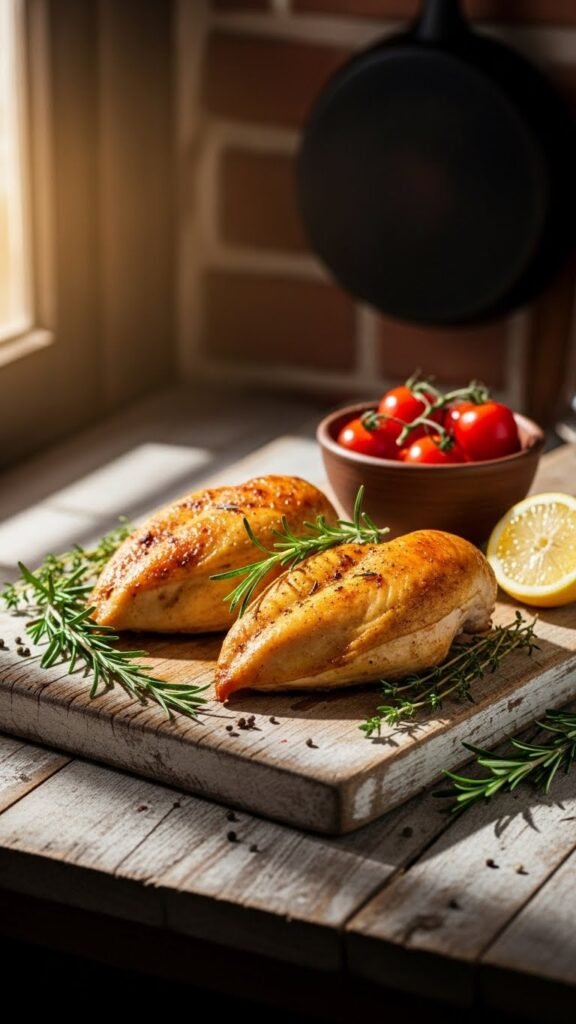
Choose the Right Cut for Your Recipe
Not all chicken cooks the same way, and picking the right cut makes a huge difference.
Here’s a quick breakdown:
- Chicken breasts: Lean and quick-cooking, but easy to dry out.
- Chicken thighs: Naturally juicier with richer flavor.
- Bone-in, skin-on pieces: Best for roasting and slow cooking because they stay moist longer.
Pro tip: If you’re still learning, start with thighs. They’re more forgiving and stay juicy even if you cook them a little longer.
Don’t Skip the Seasoning Step
Flavor starts before the chicken ever hits the pan or oven. Seasoning properly helps lock in moisture and builds layers of taste.
Key seasoning tips:
- Season chicken at least 15–30 minutes before cooking
- Use salt, pepper, garlic, onion powder, paprika, or dried herbs
- Rub seasoning evenly over the entire surface
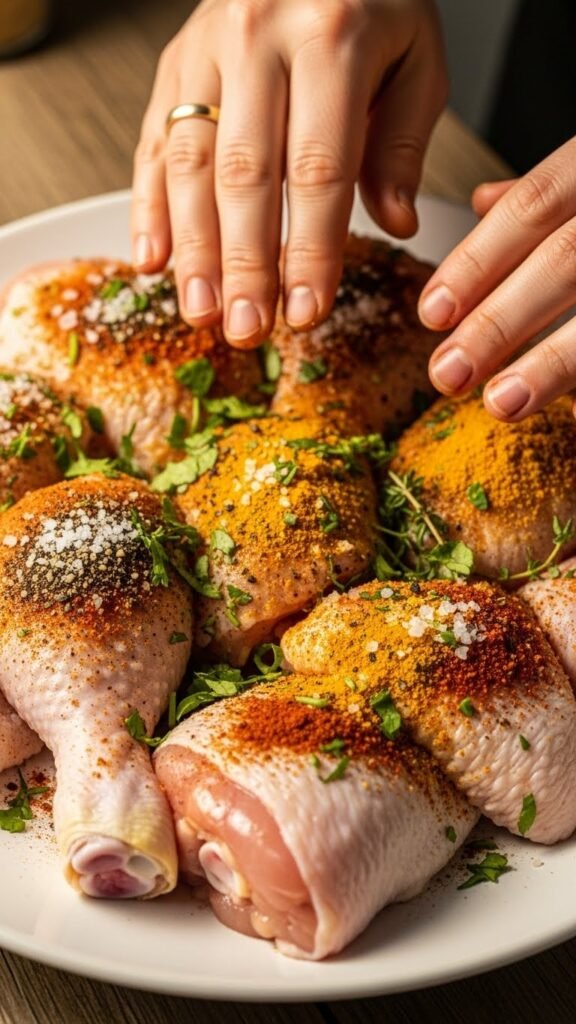
If you have extra time, seasoning a few hours ahead (or overnight) works even better.
Use Simple Marinades for Extra Juiciness
Marinades aren’t just about flavor—they also help tenderize chicken.
A balanced marinade includes:
- Fat: olive oil or neutral cooking oil
- Acid: lemon juice or mild vinegar
- Flavor boosters: garlic, herbs, spices
Let chicken marinate for:
- 30 minutes for thin cuts
- Up to 12 hours for thicker pieces
Avoid overly long marinating times, as the texture can change if left too long.
Cook at the Right Temperature
One of the biggest reasons chicken turns dry is cooking it at the wrong heat.
Best practices:
- Pan-searing: Medium to medium-high heat
- Oven roasting: 375–400°F (190–205°C)
- Slow cooking: Low heat for longer time
High heat can be great—but only if you watch it closely. Medium heat gives you more control and better results.
Let the Chicken Rest After Cooking
This step is often skipped, but it’s critical.
When chicken cooks, juices move toward the surface. Resting allows those juices to redistribute throughout the meat.
How long to rest:
- Small pieces: 5 minutes
- Large cuts: 8–10 minutes
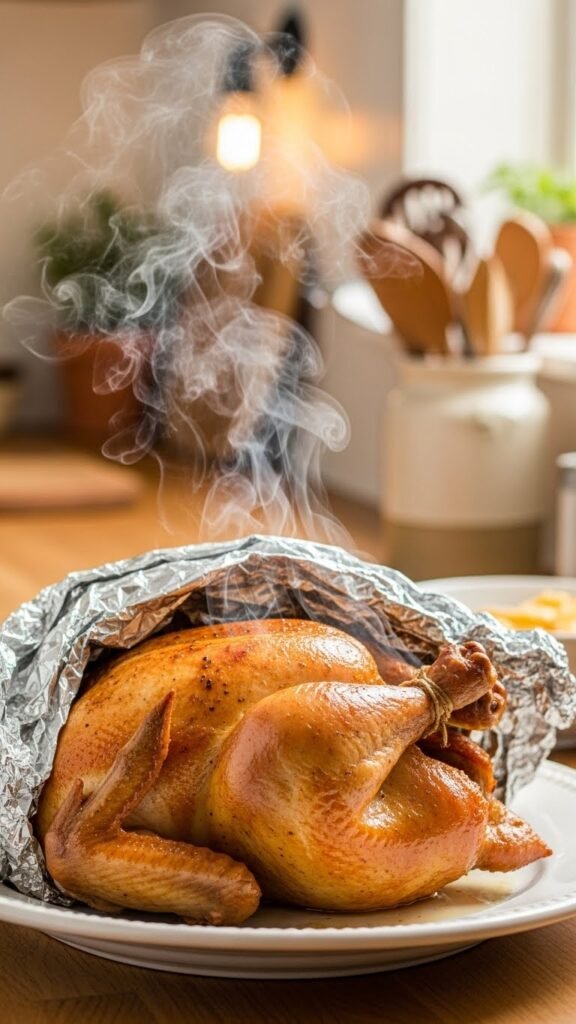
Cutting too soon lets all that moisture escape—so be patient.
Add Moisture While Cooking
A little moisture goes a long way in keeping chicken tender.
Try these techniques:
- Add a splash of broth to the pan while baking
- Cover chicken loosely during part of the cooking time
- Spoon pan juices over chicken as it cooks
These small steps help prevent the surface from drying out.
Finish with a Simple Sauce or Glaze
A light sauce added at the end can transform your chicken from basic to unforgettable.
Easy finishing ideas:
- Garlic butter with herbs
- Lemon and olive oil drizzle
- Pan juices thickened slightly with flour or cornstarch
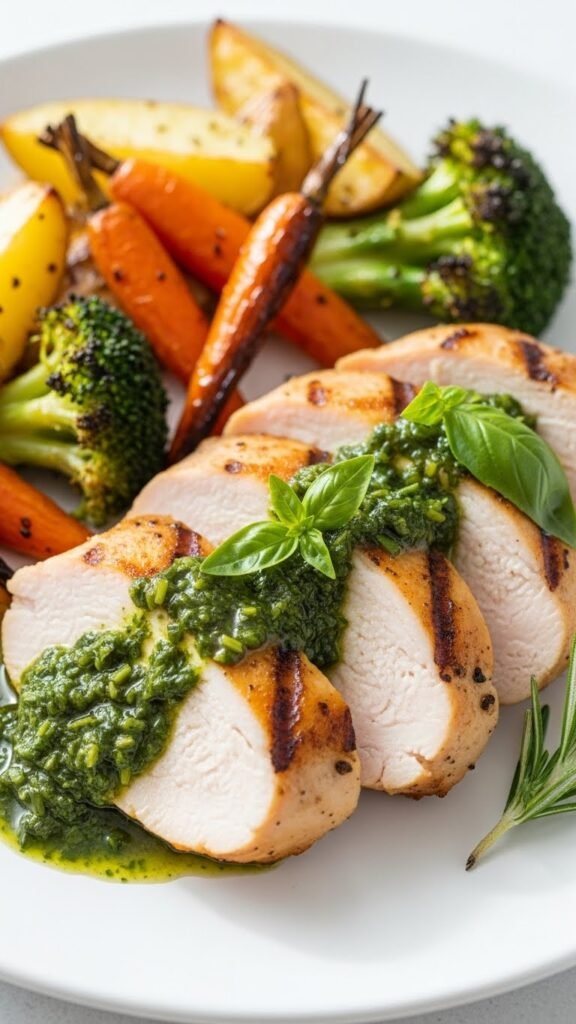
Always add sauces at the end to keep flavors fresh and vibrant.
Common Chicken Cooking Mistakes to Avoid
Even experienced cooks slip up sometimes. Watch out for these common issues:
- Cooking straight from the fridge (let chicken sit 10–15 minutes first)
- Overcrowding the pan
- Constantly flipping or moving the chicken
- Guessing doneness instead of checking
Helpful tip: Chicken is perfectly cooked when it reaches 165°F (74°C) internally.
Make It a Habit, Not a Hassle
Juicy chicken isn’t about fancy techniques—it’s about consistency. Once you build these habits into your cooking routine, every chicken dinner gets easier and better.
Quick recap:
- Choose the right cut
- Season generously
- Control your heat
- Let it rest
- Finish with flavor
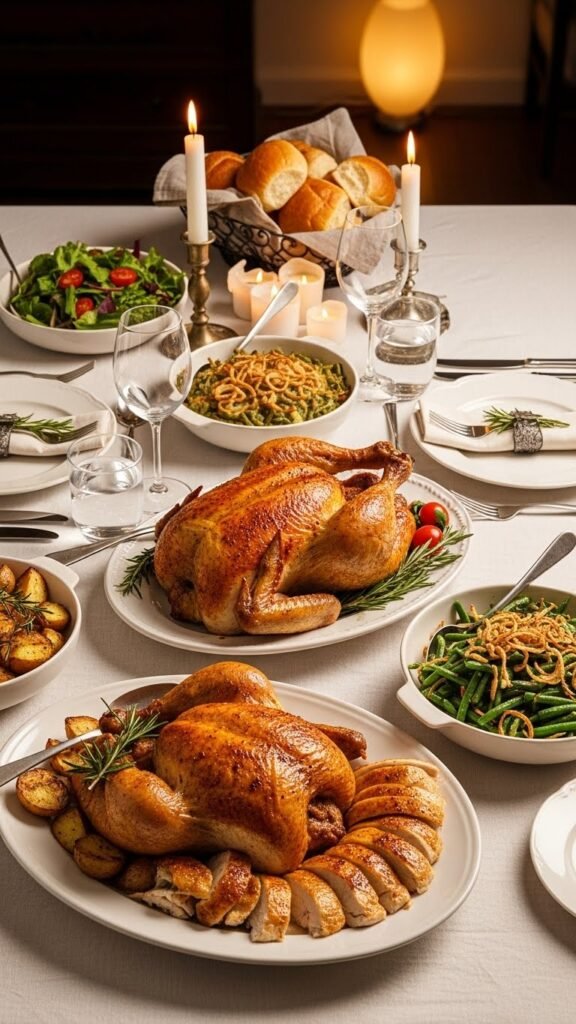
Final Takeaway
Juicy, flavorful chicken dinners are completely achievable—even on busy nights. With a few smart choices and simple techniques, you’ll never dread cooking chicken again.
Save this guide for later and come back whenever you need a reminder!

Leave a Reply