

Dinner shouldn’t feel like a nightly negotiation. If you’re juggling different tastes, strong opinions, or kids who suddenly “don’t like” foods they ate yesterday, you’re not alone. The good news? You can make dinners that picky eaters actually enjoy—without cooking multiple meals or losing your sanity.

The secret isn’t fancy recipes or hiding ingredients. It’s about smart choices, simple flavors, and flexibility. Let’s break it down step by step.
Start With Familiar Favorites (Then Gently Upgrade Them)
Picky eaters feel safest with foods they recognize. Instead of fighting that, use it as your starting point.
Think about meals that already get a “yes,” like:
- Pasta
- Rice bowls
- Flatbreads
- Baked chicken
- Potatoes
Now make small upgrades:
- Add one new veggie alongside, not mixed in
- Switch shapes (spiral pasta instead of plain)
- Use mild seasonings instead of strong blends
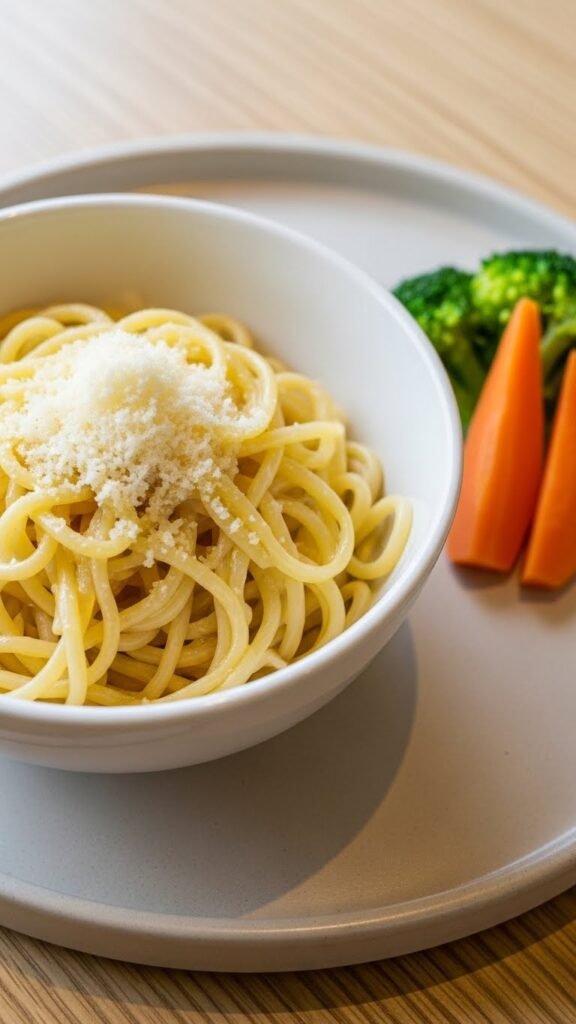
This keeps dinner predictable while slowly expanding comfort zones.
Keep Flavors Mild but Not Boring
Strong flavors can overwhelm picky eaters, but bland food doesn’t help either. The goal is gentle, balanced flavor.
Try these crowd-pleasing basics:
- Garlic (lightly cooked)
- Butter or olive oil
- Cheese
- Herbs like parsley or basil
- A pinch of salt
Skip heavy sauces or intense spice blends. You can always let adventurous eaters add extras at the table.
Pro tip: Serve sauces on the side. Dipping feels fun and gives everyone control.
Use “Build-Your-Own” Dinner Nights
This is one of the easiest wins for picky households. One base meal, lots of choices.
Great build-your-own ideas:
- Taco-style bowls with rice, protein, and toppings
- Baked potato bar
- Flatbread or naan pizzas
- Pasta with separate add-ins
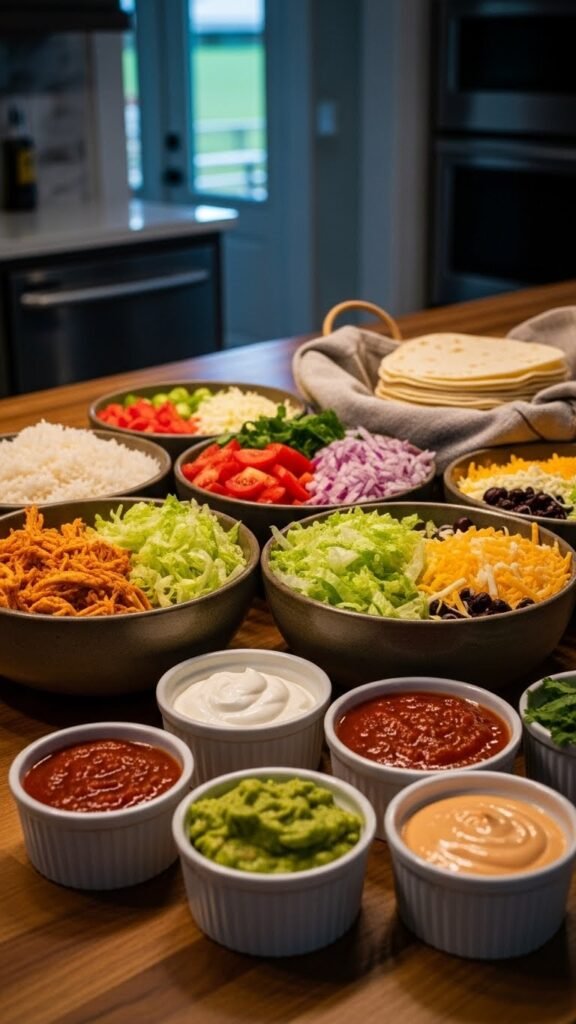
Everyone gets what they like, and you only cook once.
Stick to Simple Textures
Texture is often a bigger issue than taste. Mixed, mushy, or crunchy-in-the-wrong-way foods can be instant turn-offs.
Safe texture tips:
- Roast vegetables instead of boiling them
- Keep sauces smooth
- Avoid mixing crunchy and soft in the same bite
- Serve foods separately on the plate
If someone dislikes a texture, don’t force it. Offer the same ingredient prepared differently next time.
Let Them Help (Even a Little)
When picky eaters help with dinner, they’re more likely to try it. Even small tasks matter.
Easy ways to involve them:
- Washing vegetables
- Stirring pasta
- Choosing between two options (“peas or corn?”)
- Setting up toppings

This builds confidence and curiosity around food—without pressure.
Always Include One “Safe Food”
This rule alone can transform dinner stress. Make sure every meal includes one item you know they’ll eat.
Examples:
- Plain rice
- Bread or rolls
- Fruit
- Simple noodles
This removes fear from the table. When people feel safe, they’re more open to trying something new.
Keep Portions Small and Pressure Low
Large servings of unfamiliar food can feel intimidating. Start small.
- Offer a few bites, not a full portion
- Let them ask for more
- Avoid comments like “just try it” or “you’ll like this”
Neutral language works best:
- “It’s here if you want it.”
- “You don’t have to eat it.”
Ironically, less pressure often leads to more tasting.
Rotate Successful Meals Often
Picky eaters love predictability. When a dinner works, repeat it.
Create a short list of:
- 5–7 reliable dinners
- 2–3 flexible build-your-own meals
- 1 simple backup night (breakfast-style dinner works great)
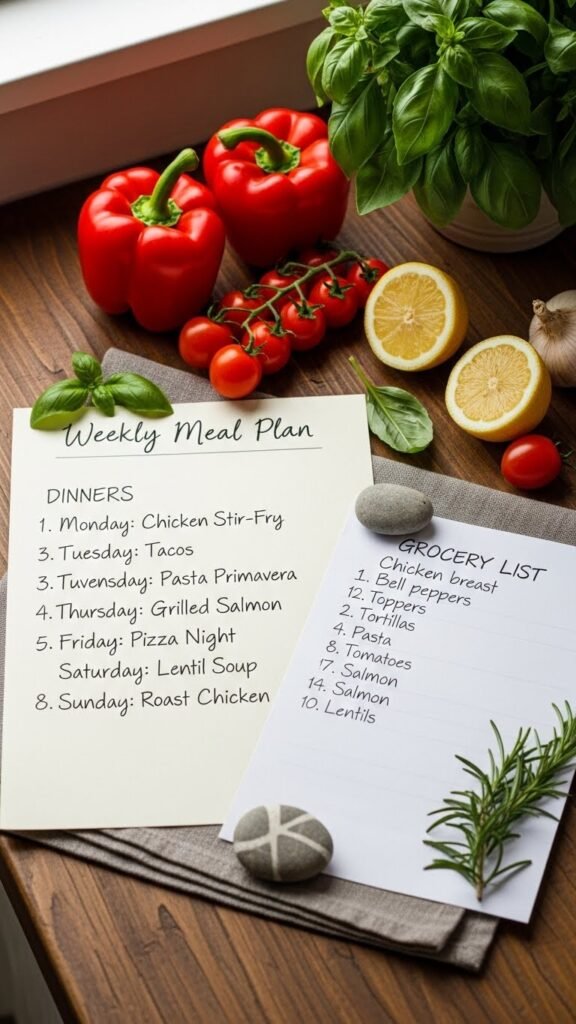
Repetition builds comfort—and makes planning easier for you.
Final Takeaway
Making dinner for picky eaters isn’t about perfection. It’s about meeting them where they are, offering choices, and keeping meals calm and familiar.
Small changes add up. Start with safe foods, keep flavors gentle, and give everyone a little control. Over time, those “no way” foods might turn into “maybe” and even “yes.”
Save this guide for your next dinner planning session—you’ve got this

Leave a Reply