

Seafood is a delicacy that can turn any dinner into a luxurious experience, but it’s easy to overcook, leaving it rubbery and dry. The key to perfectly cooked seafood lies in timing and technique. Whether you’re making tender shrimp, flaky fish, or succulent scallops, this guide will help you master the art of cooking seafood without overcooking.
Understanding the Importance of Timing
When it comes to cooking seafood, timing is everything. Seafood cooks quickly, often within just a few minutes. Overcooking happens when heat penetrates too deeply, drying out the delicate texture of the seafood. To avoid this, pay attention to the cooking time for different types of seafood.
Shrimp: 2-3 Minutes Per Side
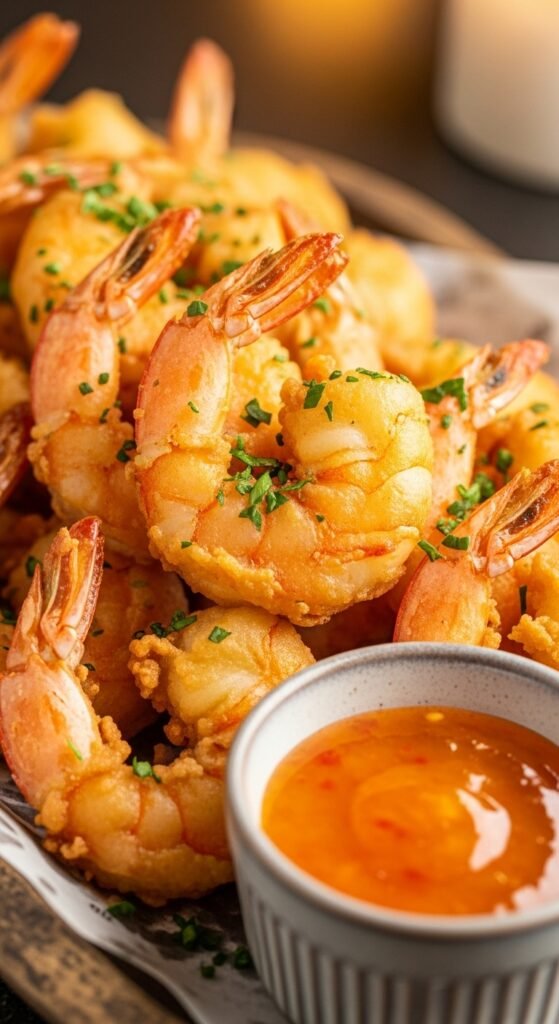
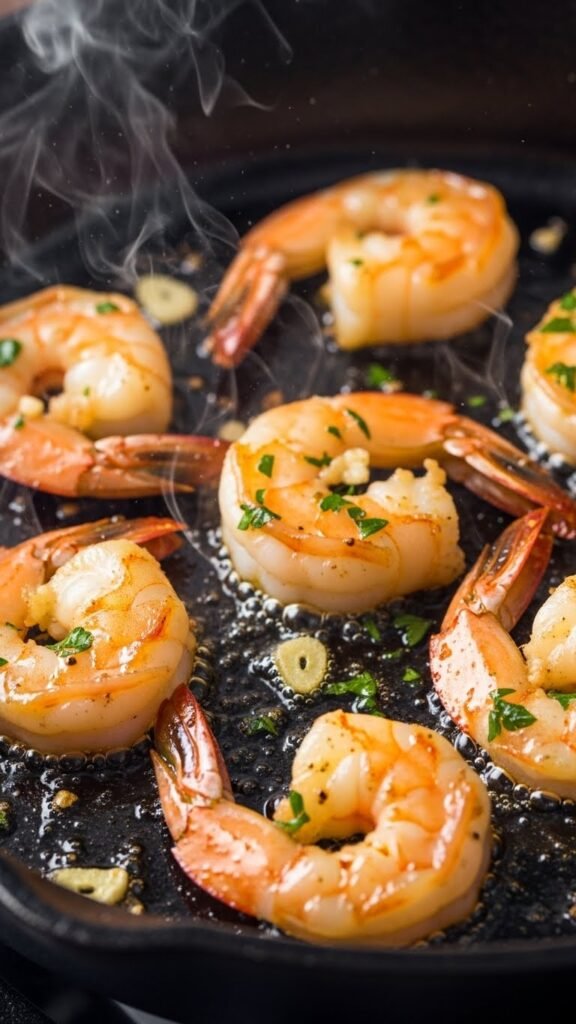
Shrimp is one of the fastest cooking seafood options. Once it turns pink and opaque, it’s done. Overcooked shrimp become tough and chewy, so don’t leave them on the heat for too long.
Fish: 3-5 Minutes Per Side
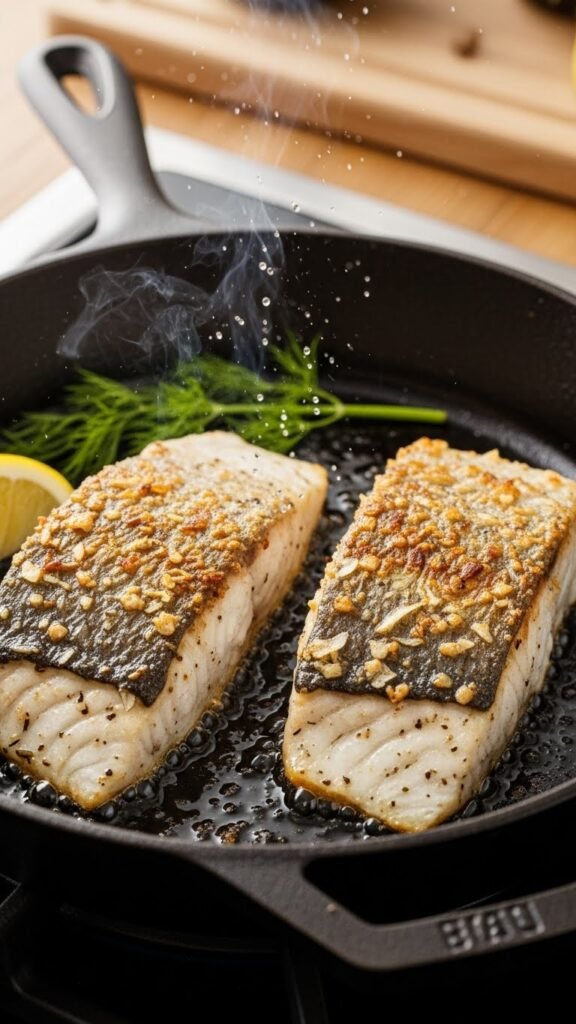
The cooking time for fish varies depending on its thickness. A general rule is to cook fish for about 3-5 minutes per side, or until it flakes easily with a fork. Fish like salmon can handle a little extra time, but thinner fillets like tilapia or sole need to be watched carefully.
Scallops: 1-2 Minutes Per Side
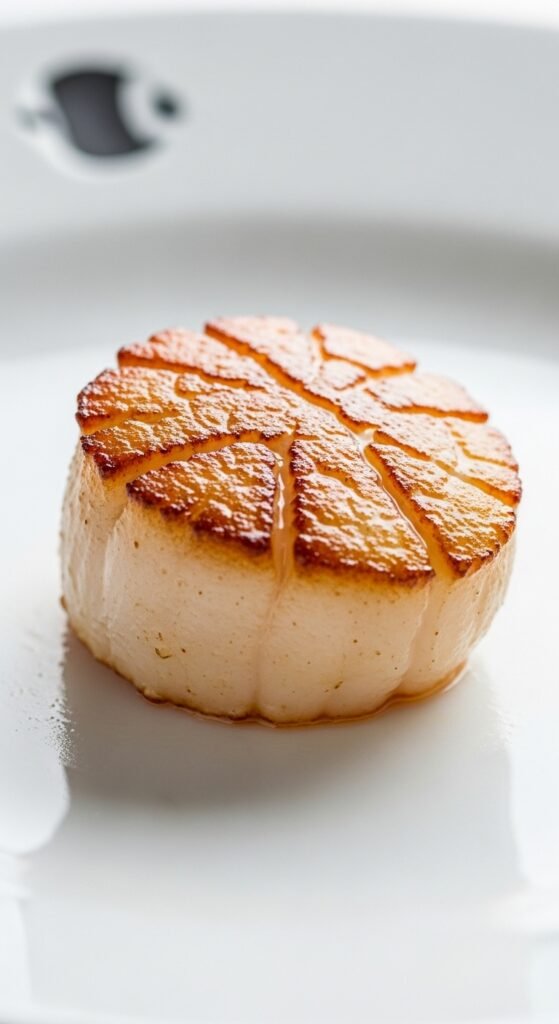
Scallops are small but cook very quickly. Sear them for just 1-2 minutes per side until golden brown on the outside but still soft and tender inside. Overcooked scallops become rubbery, so use a light touch!
Choosing the Right Cooking Method
Different cooking methods affect how easily seafood can be overcooked. Here’s how to choose the right one:
Grilling
Grilling is a great way to get that smoky flavor and crispy texture without overcooking. Just be sure to preheat the grill and watch the seafood closely. For fish and shrimp, skewers can help ensure even cooking.
Searing in a Pan
Searing seafood in a hot pan with a little oil helps lock in moisture while getting a crispy exterior. For fish and shrimp, use medium-high heat and cook each side for a few minutes. Scallops require a quick sear on high heat.
Baking
Baking is a slower process but offers excellent control over cooking. For most seafood, baking at around 375°F for 10-15 minutes should be enough. Keep an eye on the internal temperature to avoid overcooking.
Steaming
Steaming is a gentle way to cook seafood, perfect for fish or shellfish like mussels and clams. It retains moisture without the risk of overcooking, but be mindful of the timing. Most shellfish only need 4-6 minutes to steam until tender.
Watch for Visual Cues
Another simple way to avoid overcooking is to rely on visual cues. As seafood cooks, it changes color and texture, making it easier to gauge when it’s done.
Shrimp
Shrimp change from translucent to a solid pink and curl into a loose “C” shape. Once these changes happen, they’re cooked through.
Fish
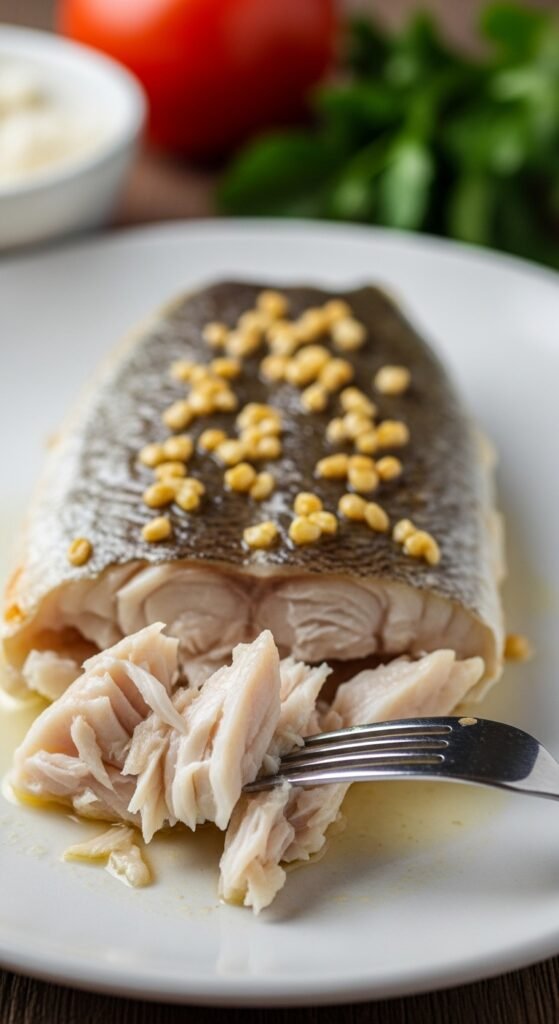
Fish fillets will change from translucent to opaque and should easily flake with a fork. If the fish resists flaking, it likely needs more time.
Scallops
Scallops are perfectly cooked when they turn golden brown on the outside but remain soft and slightly firm inside. They should not feel mushy or rubbery.
Use a Meat Thermometer for Precision
For the best results, use a meat thermometer to check the internal temperature of your seafood. This is especially helpful for thicker cuts of fish. Here are the target temperatures:
- Shrimp: 120°F
- Fish: 145°F (for most varieties like cod, haddock, and salmon)
- Scallops: 120°F
Don’t Forget to Rest Your Seafood
Once you’ve removed the seafood from heat, let it rest for a few minutes before serving. This helps the juices redistribute and ensures your seafood stays moist and flavorful.
Conclusion: Master Seafood Cooking with Ease
Cooking seafood without overcooking is all about timing, technique, and paying attention to the right cues. By using the right method, watching the cooking time, and relying on visual indicators, you’ll be able to create perfectly cooked, restaurant-quality seafood every time.
Save this guide for your next dinner party, and impress your guests with flawless seafood dishes!

Leave a Reply