

There’s something magical about a pot of stew quietly bubbling away on the stove. The aroma fills the kitchen, time slows down, and suddenly dinner feels like a warm hug. A truly rich and comforting stew isn’t about fancy ingredients—it’s about simple techniques layered with care.
[Image Prompt] A cozy kitchen scene with a pot of hearty stew simmering on the stovetop, steam rising, wooden spoon resting nearby, warm natural light.
Whether you’re cooking for family, meal-prepping for the week, or just craving something deeply satisfying, these tips will help you turn any stew dinner recipe into a bowl of pure comfort.
Start With a Flavor-Packed Foundation
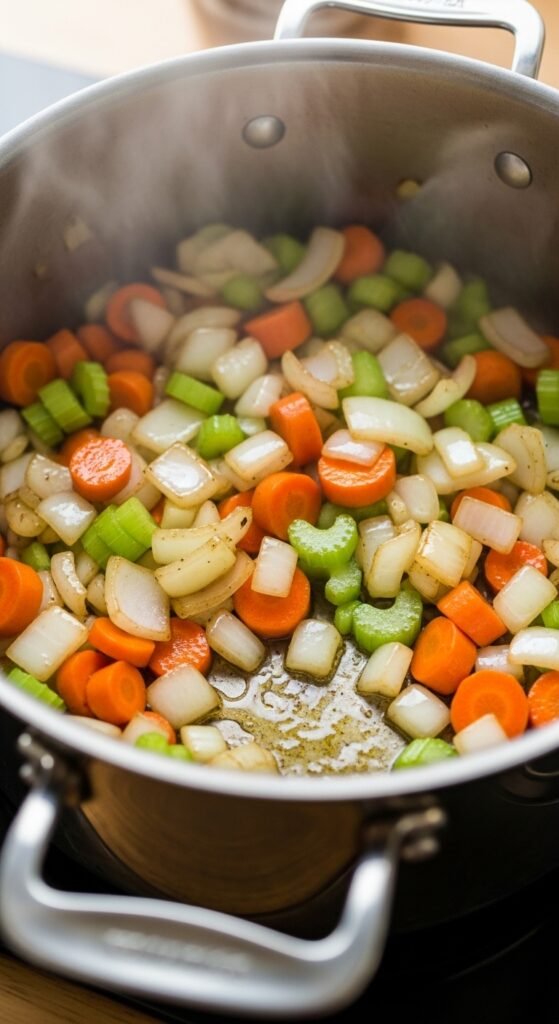
Great stew always begins at the bottom of the pot. Before you add liquids or vegetables, focus on building depth right from the start.
Key flavor builders:
- Aromatics: Onion, garlic, celery, and carrots create a classic base.
- Healthy fats: Olive oil or butter help carry flavor and encourage browning.
- Seasoning early: A pinch of salt at the beginning wakes everything up.
Take your time here. Let the onions soften until lightly golden, not rushed or pale. This step sets the tone for the entire dish.
Brown Ingredients for Deep, Savory Notes
Browning isn’t optional—it’s the secret sauce of rich stew. When ingredients meet hot fat, they develop deep, savory flavors that simply can’t be added later.
Tips for perfect browning:
- Work in batches so the pot isn’t crowded.
- Pat ingredients dry before adding them to the pan.
- Let them sit undisturbed until a golden crust forms.
That golden layer on the bottom of the pot? That’s flavor gold. It will melt back into the stew once liquid is added, enriching every spoonful.
Choose the Right Liquid and Seasonings
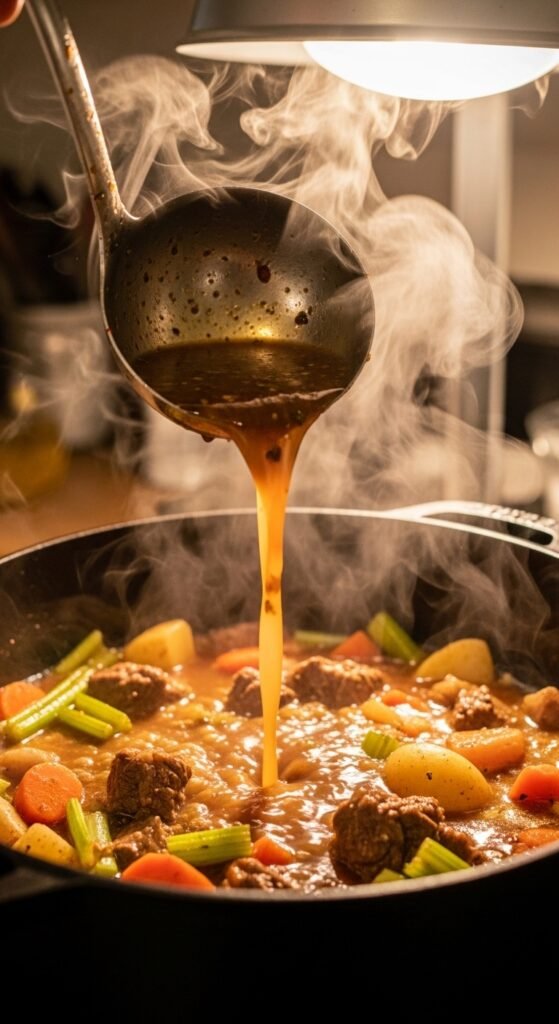
Liquid transforms browned ingredients into stew—but choosing wisely matters.
Go-to options:
- Vegetable or chicken broth for clean, savory depth
- Crushed tomatoes for body and gentle acidity
- Water, balanced with extra herbs and spices
Layer your seasoning instead of dumping it all in at once:
- Bay leaves for warmth
- Thyme or rosemary for earthiness
- Paprika or black pepper for gentle heat
Taste as it cooks and adjust slowly. Stew should feel balanced, not overpowering.
Let Time Do the Heavy Lifting
Once everything is in the pot, resist the urge to rush. Stew rewards patience.
Why slow cooking works:
- Flavors meld and deepen over time
- Ingredients soften evenly
- The texture becomes luxuriously thick
Simmer gently, not aggressively. A low bubble around the edges is perfect. Stir occasionally, and let the stew work its magic while you relax.
Pro tip: Stew often tastes even better the next day, making it ideal for leftovers.
Finish With Texture and Freshness
The final minutes of cooking are your chance to elevate the dish from good to unforgettable.
Easy finishing touches:
- A knob of butter for silkiness
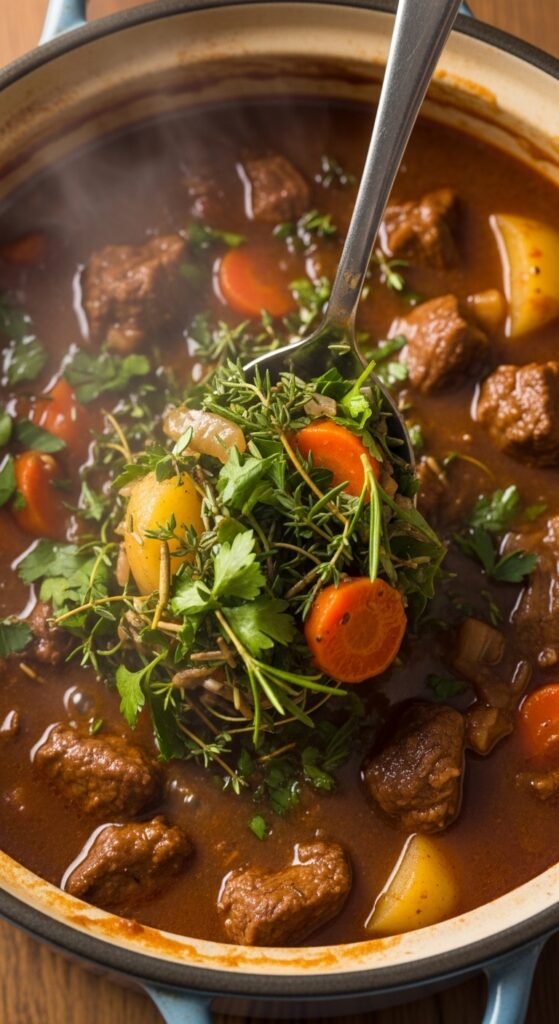
- A handful of fresh herbs for brightness
- A squeeze of lemon to wake up rich flavors
Think contrast. Rich stews shine when balanced with something fresh or slightly sharp.
Serve It Like You Mean It
Presentation matters—even for comfort food. Serve stew hot, in deep bowls, and let it shine.
Serving ideas:
- With crusty bread for dipping
- Over fluffy rice or mashed vegetables
- Topped with chopped herbs or cracked pepper
[Image Prompt] A rustic bowl of hearty stew served on a wooden table with crusty bread and a linen napkin.
The Comforting Stew Takeaway
Rich, comforting stew isn’t about complicated steps—it’s about layering flavor, slowing down, and cooking with intention. Master these basics, and you’ll be able to turn almost any combination of ingredients into a cozy, satisfying meal.
Save this guide for your next stew night, and don’t forget to make extra—future you will be very grateful.

Leave a Reply