

Craving a flavorful stir fry, but don’t want to deal with takeout prices or greasy food? You’re in luck! Making stir fry at home is not only a fun and easy way to enjoy a delicious, healthy dinner, but you can also customize it to suit your taste and budget. With the right techniques, you can create a stir fry that tastes better than what you’d get from your local restaurant. Here’s how!
[Image Prompt] A vibrant stir fry in a skillet, with colorful vegetables and tender chicken pieces sizzling in a hot pan, steam rising.
Why Make Stir Fry at Home?
Stir fry is a versatile dish that combines quick cooking with endless flavor possibilities. With fresh ingredients, simple seasonings, and a hot pan, you can create a meal that’s packed with nutrients and big on taste. Plus, making stir fry at home gives you full control over the ingredients, allowing you to use whatever veggies, proteins, or sauces you prefer. Not only is it healthier, but it’s also a great way to save money while eating a meal that satisfies your cravings.
Key Ingredients for the Perfect Stir Fry
Before you start cooking, it’s essential to have the right ingredients. Here’s what you’ll need for a well-balanced stir fry:
Protein Options:
- Chicken breast or thighs (tender and juicy when cooked correctly)
- Shrimp (quick to cook and adds a fresh seafood twist)
- Tofu (a great plant-based option)
- Beef strips (for a heartier, richer stir fry)
Vegetables:
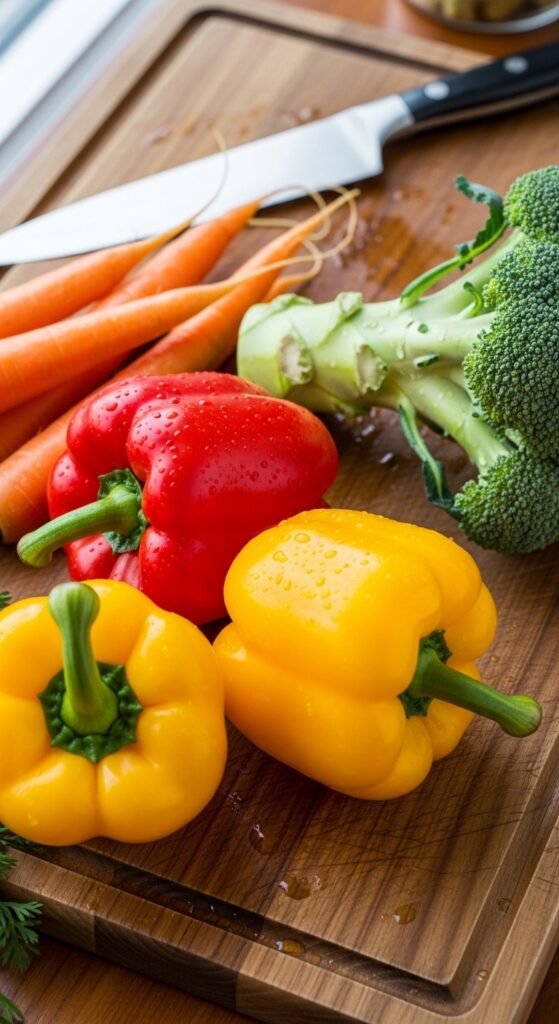
- Bell peppers (sweet and crunchy)
- Carrots (for color and sweetness)
- Broccoli (adds texture and nutrients)
- Snap peas or snow peas (perfect for a fresh, crisp bite)
Sauce and Seasoning:
- Soy sauce (the foundation of a savory stir fry)
- Garlic (adds a wonderful fragrance and depth)
- Ginger (for a zingy flavor)
- Sesame oil (enhances the taste with a nutty, aromatic finish)
- Honey (for a touch of sweetness)
- Rice vinegar (to balance out the flavors)
Step-by-Step Guide to Stir Frying
1. Prep Your Ingredients
For a smooth cooking process, make sure all your ingredients are prepped before you start stir frying. Cut your protein into bite-sized pieces, and chop the vegetables into uniform pieces so they cook evenly. Having everything ready to go is the key to a successful stir fry.
2. Heat the Pan
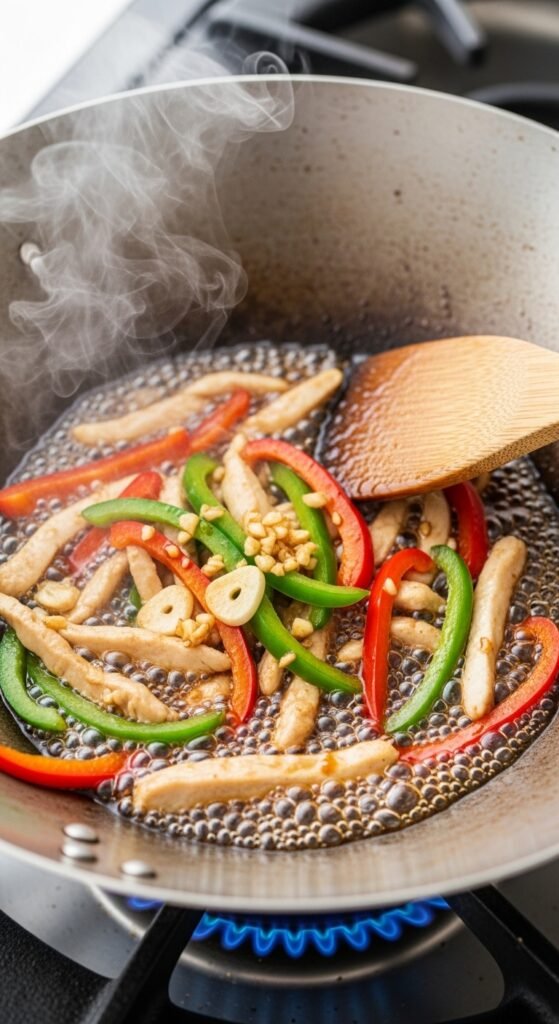
A hot pan is essential to get that perfect stir fry texture. Use a wok or a large skillet and heat it over medium-high heat. Add a little vegetable oil to prevent sticking, and make sure it’s hot before adding any ingredients. The sizzling sound when you add your protein is a sign that the pan is the right temperature!
3. Cook Your Protein
Add your protein to the hot pan first. Cook it until it’s browned and cooked through—this usually takes about 5-7 minutes, depending on the protein you choose. Once the protein is cooked, remove it from the pan and set it aside. This allows the protein to stay tender and juicy while you cook the vegetables.
4. Stir-Fry the Vegetables
Now it’s time to cook your vegetables! Start with the harder vegetables, like carrots and broccoli, and give them a head start in the pan. Stir them around for about 2-3 minutes until they begin to soften. Then, add the more delicate vegetables, like bell peppers and snap peas, and continue to stir fry for another 3-5 minutes.
5. Combine and Add the Sauce
Once your vegetables are cooked to your liking, add the protein back into the pan. Then, pour in your stir fry sauce, which should consist of soy sauce, garlic, ginger, and a dash of sesame oil. Stir everything together until it’s coated in the sauce, and let it cook for an additional minute to allow the flavors to meld.
[Image Prompt] A spoon drizzling a homemade stir fry sauce over the cooked chicken and vegetables in a hot pan.
6. Finish and Serve
Once everything is cooked and the sauce has thickened slightly, it’s time to serve! Pair your stir fry with freshly cooked rice, noodles, or even cauliflower rice for a lighter option. Garnish with sesame seeds or chopped green onions for an extra pop of flavor.
Tips for the Best Stir Fry
- Use high heat: Stir frying is all about high heat and quick cooking. This helps retain the nutrients in the vegetables while giving them that crisp texture.
- Don’t overcrowd the pan: If you try to cook too many ingredients at once, the heat will drop, and your food will steam instead of stir fry. Cook in batches if necessary.
- Customize your sauce: Add chili paste or hot sauce if you like heat, or experiment with different oils like peanut or chili oil for a unique flavor.
[Image Prompt] A finished stir fry meal served on a plate, with a garnish of sesame seeds and green onions, next to a bowl of rice.
Final Thoughts
Stir fry dinners are a simple yet satisfying way to bring the flavors of your favorite takeout meals right into your own kitchen. With just a few fresh ingredients and a hot pan, you can make a meal that tastes better than anything you can order. So next time you’re craving stir fry, skip the takeout and try making it yourself—you might just discover a new favorite recipe!
Save this recipe for later and enjoy delicious homemade stir fry anytime!

Leave a Reply